ICC FK Kitchen Suppression Technician: Requirements, Cost, and How to Apply
No experience requirement and only two standards to own. What the ICC FK authorizes for wet chemical work, what it costs, and how renewal works.
Contents
ICC FK Kitchen Suppression Technician: Requirements, Cost, and How to Apply
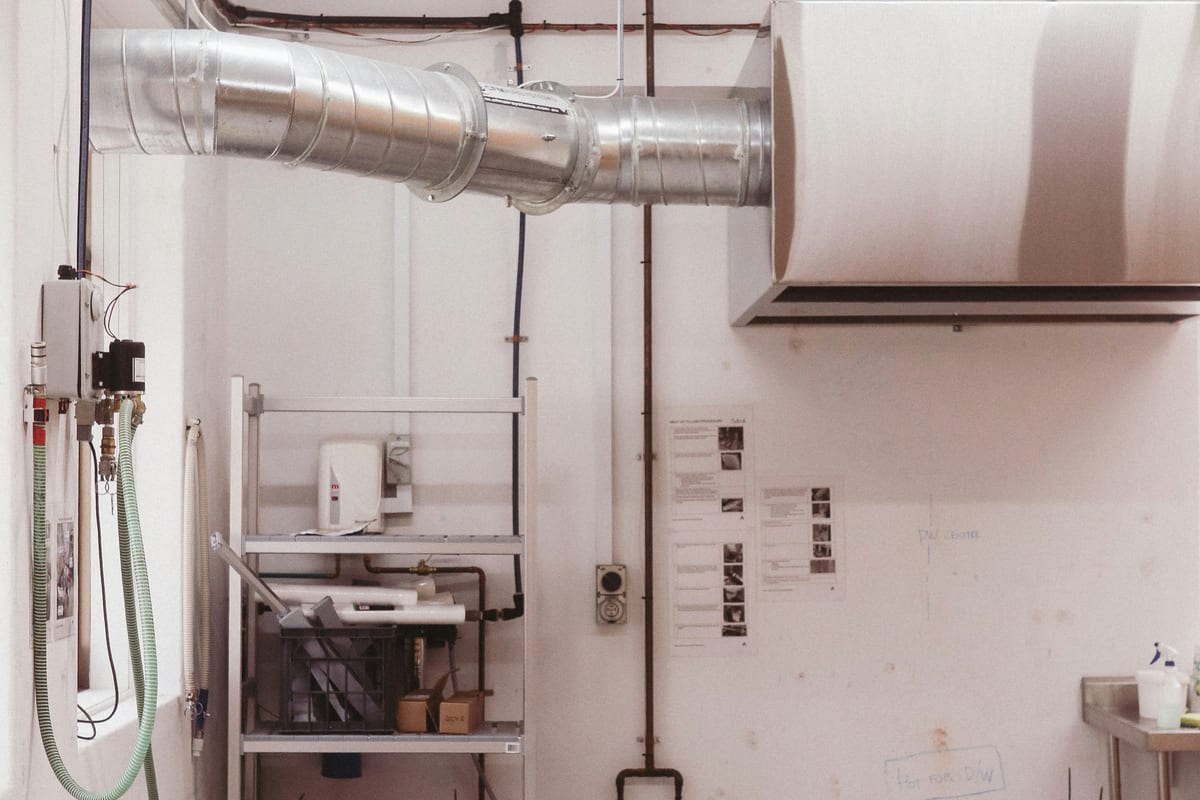
The ICC FK — Pre-engineered Kitchen Fire Extinguishing System Technician certification covers wet chemical suppression over commercial cooking equipment: the system in every restaurant hood in the country, and the semi-annual service it is required to receive.
Kitchen suppression is one of the most commonly licensed fire-protection trades at state level. Many states will accept FK as evidence of competency, either as the credential itself or as a route toward a state license.
There is no experience requirement
ICC does not publish an experience or education prerequisite for FK. No documented hours, no employer letter, no apprenticeship, no prerequisite certification.
A technician who has been servicing hood systems under someone else's license can hold a credential in their own name as soon as they can pass the exam.
Check your state before you assume that is enough. ICC issues the certification; your state fire marshal decides what it accepts. Some states license this work directly and treat ICC certification as supporting evidence rather than a substitute for their own license.
What the credential covers
FK is a service credential. The exam is built around what a technician does to a wet chemical system:
| Area | Weight | Standard |
|---|---|---|
| Maintenance and recharge | 32% | NFPA 17A |
| General component requirements | 25% | NFPA 17A |
| Installations | 13% | NFPA 17A, NFPA 96 |
| Hazard identification | 10% | NFPA 96 |
| Hoods and exhaust systems | 10% | NFPA 96 |
| Administration and records | 6% | NFPA 17A, NFPA 96 |
| Inspection | 4% | NFPA 17A |
Fifty-seven percent of the exam is the system itself — nozzles, detectors, actuators, cylinders, and what you do to them semi-annually. The full weighting is here.
Only two books
This is the cheapest exam to prepare for in the ICC fire family after FE. FK lists two standards:
| Standard | Covers |
|---|---|
| NFPA 17A | Wet chemical extinguishing systems |
| NFPA 96 | Ventilation control and fire protection of commercial cooking operations |
The split is clean. NFPA 17A is the suppression system; NFPA 96 is the hood, duct and appliance environment it protects. Roughly 70/30 by weight in 17A's favor.
Confirm the approved reference list and edition years on the FK page in the ICC Exam Catalog before buying — the catalog is the only authoritative source for the current editions.
FK or FN?
ICC issues two pre-engineered suppression technician credentials:
| Credential | The systems |
|---|---|
| FK | Wet chemical over commercial cooking equipment |
| FN | Dry chemical and clean agent over industrial processes — spray booths, dip tanks |
Neither requires the other, and they cover genuinely different equipment in different buildings. Technicians who service both restaurant hoods and industrial process protection take both; most people start with whichever matches their route.
FN is the broader exam — four standards rather than two.
What it costs
ICC prices exams individually with a member discount. ICC's own reporting puts its fire alarm and fire sprinkler certification exams at $199; confirm the current FK figure in the Exam Catalog, which is where the live price is published.
How to apply
- Create a myICC account at iccsafe.org.
- Find FK in the Exam Catalog; confirm approved references and edition years.
- Purchase the exam.
- Schedule through ICC PRONTO remote proctoring or a Pearson VUE test center.
There is no application review. Registration is a purchase, and you can be sitting the exam within days.
If you do not pass
Six attempts within a six-month period, fee payable each time. Exhaust all six and you wait six months from your first attempt before registering again.
Renewal
Three-year cycle through myICC, on CEUs:
| Certifications renewed | CEUs required | From ICC or a Preferred Provider |
|---|---|---|
| 1 | 3.0 | 1.5 |
| 2–5 | 6.0 | 3.0 |
| 6–10 | 9.0 | 4.5 |
At least half must come from ICC training or a Preferred Provider, and ICC audits renewals monthly.
If you hold a state kitchen-suppression license as well, the two cycles are independent and will not align. Diary them separately — a lapsed state license stops you working even with a current ICC certification.
Where to start
Maintenance and recharge is the single largest domain at 32%, and it sits almost entirely in NFPA 17A's inspection, maintenance and recharge chapter. The full domain breakdown is here.
Our free 10-question practice test draws from the same weighted pool.
Ready to pass ICC® Kitchen Fire Suppression Technician?
Start your prep with unlimited practice tests and codebook-referenced answers.
Start Studying →