Ohio Fire Extinguisher Exam Topics: Portable, Pre-engineered and Engineered Systems
What the Ohio State Fire Marshal's three extinguisher exams test: the NFPA editions on the current reference list, how each book splits up, and how to study for a closed-book PSI exam.
Contents
Ohio Fire Extinguisher Exam Topics: Portable, Pre-engineered and Engineered Systems
The Ohio State Fire Marshal tests extinguisher work in three separate categories. Each exam is closed book, two hours and 70% to pass, and each is written from the NFPA standards on the State Fire Marshal's reference list plus the Ohio Fire Code and Ohio Building Code Chapter 9.
Use the State Fire Marshal's list, not the PSI table
PSI's candidate bulletin still prints an older table (NFPA 10-2013, NFPA 17-2017, NFPA 2001-2015 and the 2017 Ohio Fire Code). The State Fire Marshal's own reference list, printed on the current application (form COM5020), says the exams are prepared from the 2025 Ohio Fire Code, the 2024 Ohio Building Code Chapter 9 and these editions:
| Exam | Standards on the reference list |
|---|---|
| Portable Fire Extinguishers (100 questions) | NFPA 10, 2022 |
| Pre-engineered Extinguishing Equipment Other Than Water (50) | NFPA 17, 2021; NFPA 17A, 2021; NFPA 2001, 2022 |
| Engineered Extinguishing Equipment Other Than Water (50) | NFPA 11, 2021; NFPA 12, 2022; NFPA 12A, 2022; NFPA 16, 2019; NFPA 17, 2021; NFPA 2001, 2022 |
Those match the editions Ohio adopted in its referenced-standards rule (OAC 1301:7-7-80, effective November 20, 2025). Study the newer editions.
Ohio publishes no topic weights. The splits below are how we weight our practice exams, based on how much of each book a technician's exam is likely to draw on. PSI's score report for a failed attempt breaks your result down by content area, which is the best guide for a second try.
Portable Fire Extinguishers: NFPA 10
This is the big one: 100 questions on a single standard, so expect detail.
- Classification, selection and distribution (about 4 in 10 of our questions). Classes A, B, C, D and K; ratings; selecting by hazard; travel distance and floor area per unit of A rating; Class B spill and depth hazards; Class K for cooking; where extinguishers go and how high they are mounted, and the clearance to the floor.
- Inspection, maintenance and recharging (about a third). The monthly inspection and what it checks; annual maintenance; the six-year maintenance on stored-pressure dry chemical units; internal examinations; recharging agents and the rule against mixing agents; gauges; tags, labels and verification-of-service collars; when an extinguisher must be removed from service.
- Hydrostatic testing (about 1 in 7). Test intervals by extinguisher type, test pressures, what condemns a cylinder, and how a test is recorded.
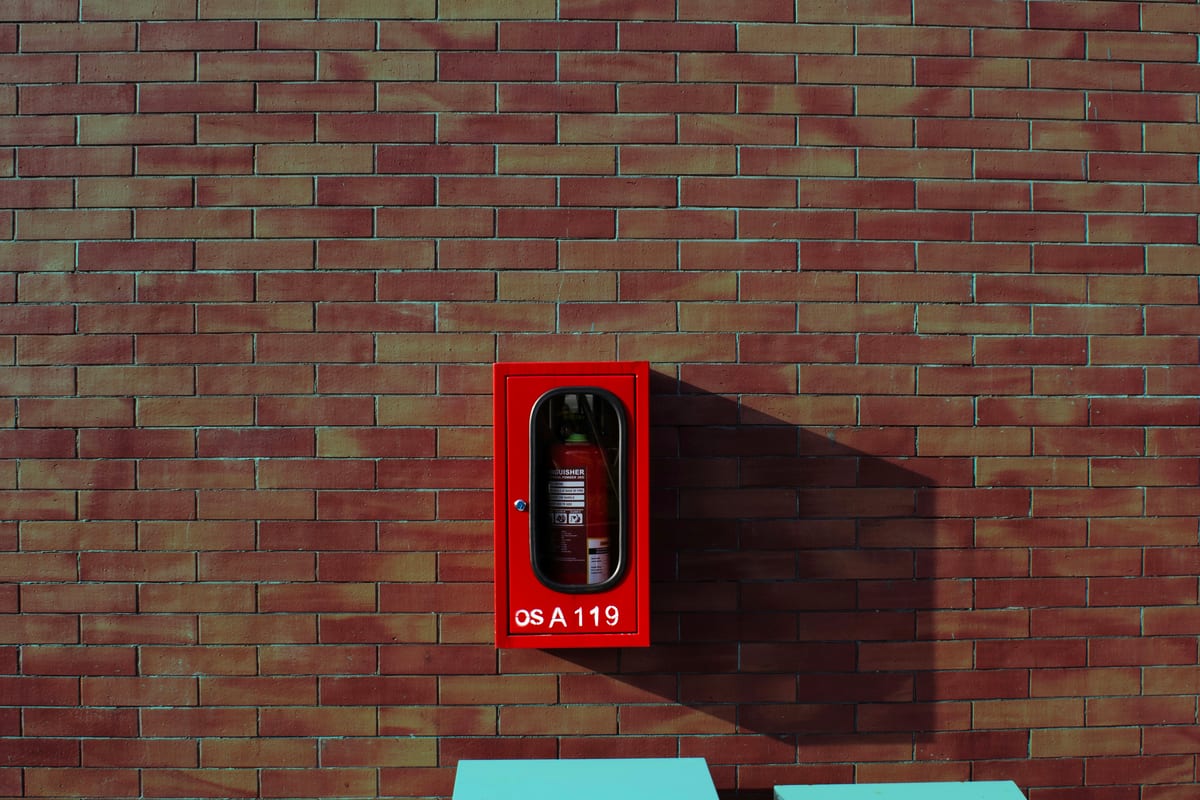
- Ohio code (about 1 in 12). Ohio Building Code Section 906 (where extinguishers are required, cabinets, signs, mounting heights for units up to and over 40 pounds) and the certification rules in Ohio Fire Code Section 918.
Closed book means the numbers have to be in your head: mounting heights, travel distances, the inspection and maintenance intervals and the hydrostatic test table are the ones to drill.
Pre-engineered systems: NFPA 17A, 17 and 2001
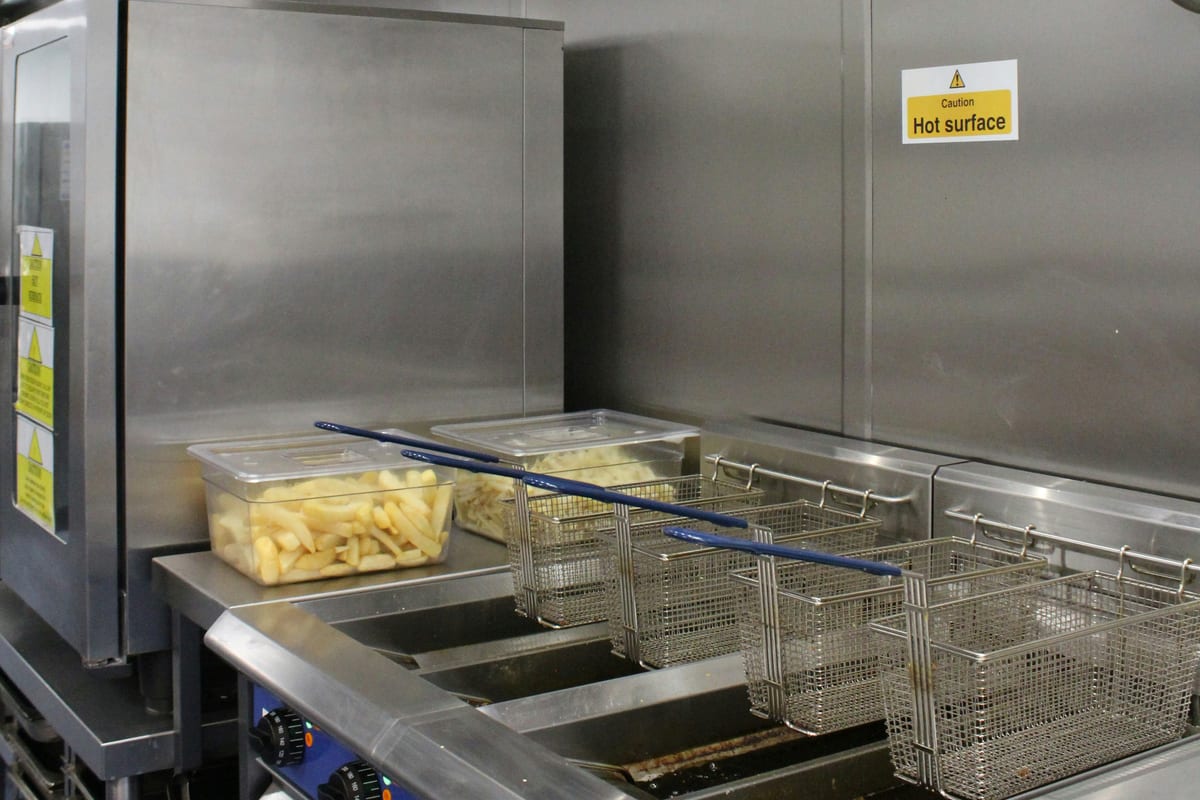
Most people sitting this exam service restaurant hood systems, and NFPA 17A carries the most weight in our practice exams (about 4 in 10). Expect:
- detection and fusible links, and the twice-a-year (six-month) maintenance and link replacement;
- the manual actuation device: where it goes and its height;
- shutting off fuel and power to the cooking appliances on discharge;
- recharge, cylinder hydrostatic testing and the owner's responsibilities.
NFPA 17 dry chemical systems and NFPA 2001 clean agent systems make up most of the rest (about a quarter each), with Ohio Building Code Section 904 (alternative automatic fire-extinguishing systems) and Ohio Fire Code 918 for the remainder.
Engineered systems: NFPA 2001, 12, 11, 16, 17 and 12A
The engineered exam spreads 50 questions over six standards. Personnel safety runs through all of them: lockouts, pre-discharge alarms and time delays on carbon dioxide systems, safe exposure limits for clean agents. Then design concentration, discharge time, foam application rates and discharge durations, acceptance testing and maintenance. In our practice exams NFPA 2001 carries about 3 in 10 questions, NFPA 12 about 2 in 10, NFPA 11 about 15%, and NFPA 16, NFPA 17 and the Ohio code about 1 in 10 each.
One note on NFPA 12A: Ohio tests the 2022 edition and our practice questions are written on the 2018 edition, the one we hold. It is about 1 question in 20 on our engineered exam; check any halon question against your own 2022 copy.
How to study for a closed-book PSI exam
- Read the standard once, front to back, chapters before annexes. The annexes explain; the chapters are what you are tested on.
- Make a numbers sheet for each standard: intervals, distances, heights, pressures, percentages. Rewrite it from memory until it is clean.
- Practise at exam length. 100 questions in two hours is 72 seconds a question; 50 in two hours is generous, so use the spare time to reread.
- Review every miss against the section. Our explanations cite the section behind each answer so you can go straight to the text.
Our Ohio fire extinguisher and suppression systems practice tests build full-length portable, pre-engineered and engineered exams from those editions. Try the free 10-question sample test first, read the requirements guide for the application steps, and the exam day guide before you go.
Ready to pass Ohio Fire Extinguisher & Suppression Systems Certification?
Start your prep with unlimited practice tests and codebook-referenced answers.
Start Studying →