NICET Special Hazards Systems: Clean Agent, CO2, and Beyond
Overview of the NICET Special Hazards certification — clean agent, CO2, dry/wet chemical systems, NFPA 2001/12/17/17A scope, and the four-level exam ladder.
Contents
NICET Special Hazards Systems: Clean Agent, CO2, and Beyond
NICET Special Hazards Systems is the certification track for technicians who design, install, inspect, or maintain non-water fire suppression — the systems that protect environments where water would cause more damage than fire. Data centers. Server rooms. Museum archives. Commercial cooking hoods. Industrial process areas. Marine engine rooms. Anywhere you can't just dump 50 gallons of water on the problem.
The discipline pulls from a wider stack of NFPA standards than almost any other NICET track, which makes navigation under exam time pressure unusually demanding. Candidates serious about passing tend to pair codebook study with focused NICET Special Hazards practice tests — there's no good shortcut for the multi-codebook lookup speed the exam demands.
What Special Hazards covers
The umbrella term "Special Hazards" covers several distinct system types, each with its own NFPA standard:
- Clean agent systems — FM-200, Novec 1230, Inergen, FE-13. Halocarbon and inert gas agents that suppress fire without leaving residue. Governed by NFPA 2001.
- Carbon dioxide systems — total flooding and local application CO2 systems. Used heavily in industrial applications where life-safety concerns can be managed. Governed by NFPA 12.
- Dry chemical systems — pre-engineered and engineered dry chemical extinguishing systems. Governed by NFPA 17.
- Wet chemical systems — primarily for commercial cooking exhaust hoods. Governed by NFPA 17A, in conjunction with NFPA 96 for the commercial cooking ventilation rules.
- Pre-action and deluge sprinkler systems — water-based but with detection-driven actuation, often used in environments otherwise protected by clean agent. Cross-references into NFPA 13 and NFPA 72.
The fact that you have to navigate four to five distinct codebooks during a single exam is the structural challenge of Special Hazards. Every question requires you to first identify which codebook holds the answer before you can even start the lookup.
NFPA standards in detail
A quick reference for the codebook stack:
- NFPA 2001 — Standard on Clean Agent Fire Extinguishing Systems. Halocarbon and inert gas system design, agent quantity, discharge time, hold time, room integrity testing.
- NFPA 12 — Standard on Carbon Dioxide Extinguishing Systems. Total flooding vs. local application, life-safety considerations, pre-discharge alarms, ventilation lockouts.
- NFPA 17 — Standard for Dry Chemical Extinguishing Systems. Pre-engineered systems for commercial kitchens (now largely supplanted by 17A), industrial applications.
- NFPA 17A — Standard for Wet Chemical Extinguishing Systems. Modern commercial cooking hood suppression.
- NFPA 96 — Standard for Ventilation Control and Fire Protection of Commercial Cooking Operations. The exhaust hood and ductwork side that NFPA 17A interfaces with.
Higher exam levels will also pull from NFPA 72 (detection that triggers a special hazards system) and NFPA 13 (cross-referenced when special hazards systems integrate with sprinkler).
Common applications
Where you'll find these systems in the field:
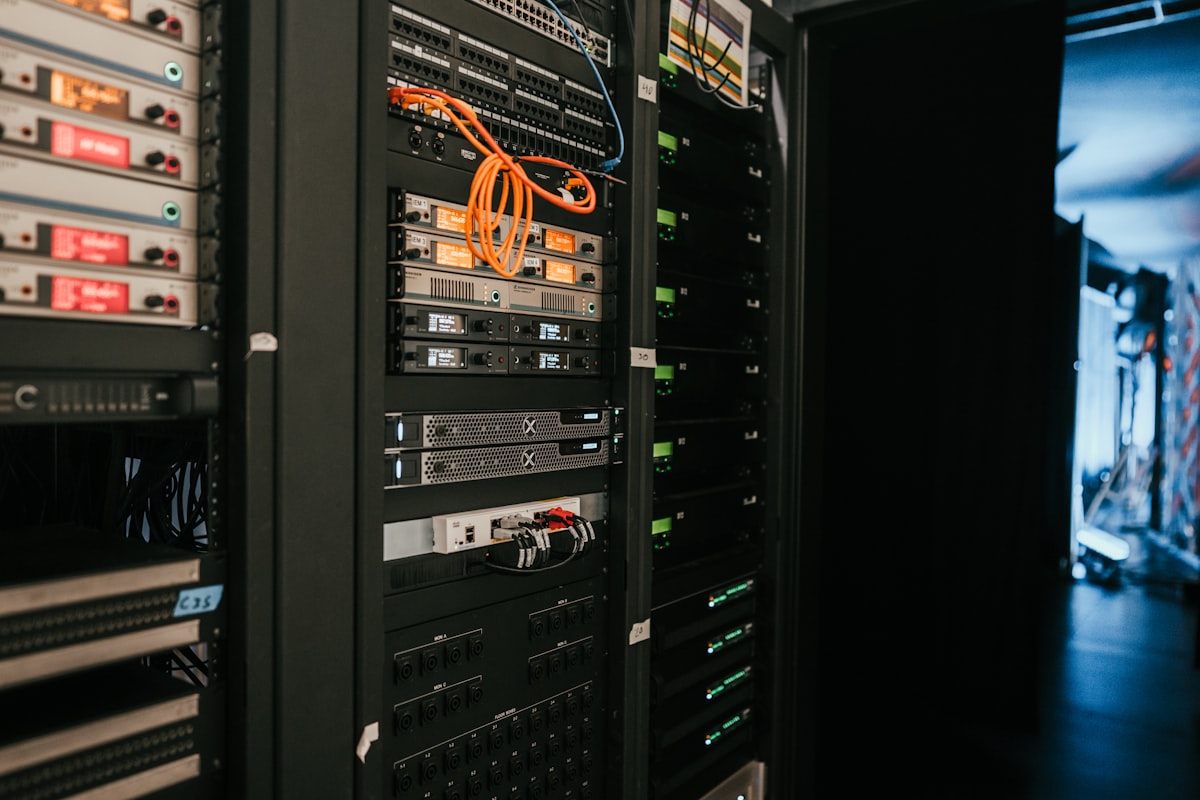
- Data centers and server rooms — clean agent (FM-200, Novec) protecting IT equipment.
- Telecom switch rooms — same.
- Museum archives, libraries, vaults — clean agent.
- Industrial machinery enclosures — CO2 total flooding.
- Marine engine rooms — CO2 total flooding.
- Commercial kitchens — wet chemical (NFPA 17A) over the cooking line, integrated with NFPA 96 exhaust hood requirements.
- Paint spray booths and dip tanks — dry chemical or pre-action sprinkler.
- Flammable liquid storage — varies; often foam-water or clean agent.
The variety of applications is part of why the discipline is interesting — and part of why questions can come at you from unexpected angles.
Four-level breakdown
| Level | Questions | Focus |
|---|---|---|
| Level I | 83 | Component familiarity, system basics, terminology |
| Level II | 144 | Installation, inspection, ITM across the agent types |
| Level III | 94 | Advanced installation/ITM, system design fundamentals |
| Level IV | 63 | Senior-level design, complex project scope, system selection |
Level II is the volume challenge — 144 questions spanning multiple codebooks. Identifying the right standard for each question is half the battle, and that recognition only develops with practice. Running mixed-codebook Special Hazards practice tests is how candidates train that instinct.
Why this track is growing
Demand for special hazards systems is rising for two converging reasons:
- Data center buildout. Every cloud expansion, every new colo facility, every edge-compute deployment needs clean agent protection.
- Code-driven adoption. Museums, archives, and high-value storage increasingly mandate clean agent protection in their insurance and code requirements.
Certified Special Hazards techs are scarcer than certified Fire Alarm techs and command rates that reflect that. The cert is harder to earn — multi-codebook exams generally are — but the credential is durable.
What to do next
Special Hazards rewards candidates who treat codebook identification as the first skill. You can't navigate to the right table if you don't know which codebook holds it.
Our NICET Special Hazards practice tests cover the full codebook stack — NFPA 2001 clean agent design and discharge, NFPA 12 CO2 total flooding, NFPA 17/17A dry and wet chemical, and NFPA 96 commercial cooking integration. Every question includes detailed answer explanations with codebook references — so each NICET Special Hazards practice tests session doubles as a structured study session.
Want to gauge your readiness first? Take our free 10-question NICET Special Hazards sample test — no commitment, just a quick calibration.
Ready to pass NICET Special Hazards Systems?
Start your prep with unlimited practice tests and codebook-referenced answers.
Start Studying →