NICET In-Building Public Safety Communications (IBPSC): The Niche Cert That Pays
NICET IBPSC practice tests overview — NFPA 1225 scope, ERCES/DAS/BDA fundamentals, four exam levels, and why this niche credential commands premium rates.
Contents
NICET In-Building Public Safety Communications (IBPSC): The Niche Cert That Pays
The NICET In-Building Public Safety Communications (IBPSC) certification is one of the newest tracks NICET offers — and one of the most strategically valuable. It targets the systems that make sure first responders can talk to dispatch from inside large or RF-hostile buildings: ERCES (Emergency Responder Communication Enhancement Systems), DAS (Distributed Antenna Systems), and BDA (Bidirectional Amplifier) installations.
Fewer practitioners hold this credential than any of the older NICET tracks. That scarcity translates directly into rate. Certified IBPSC techs command premium pricing on commercial projects, especially in jurisdictions where the local fire code mandates an ERCES system. Candidates getting ready for the exam typically pair their codebook study with focused NICET IBPSC practice tests — the question pools elsewhere are thin.
What IBPSC is
In-Building Public Safety Communications systems exist for one reason: most modern commercial buildings block public safety radio frequencies from getting in or out. Concrete, steel, low-e glass, large floor plates, basements, and high-rises all degrade the signal. If a firefighter on the third floor can't reach dispatch on their portable radio, the building doesn't meet code.
The fix is an in-building amplification system. The core components:
- ERCES — Emergency Responder Communication Enhancement System. The overall system designation.
- DAS — Distributed Antenna System. The network of antennas distributed through the building to provide coverage.
- BDA — Bidirectional Amplifier. The active electronics that boost the signal in both directions (downlink from outside, uplink from inside).
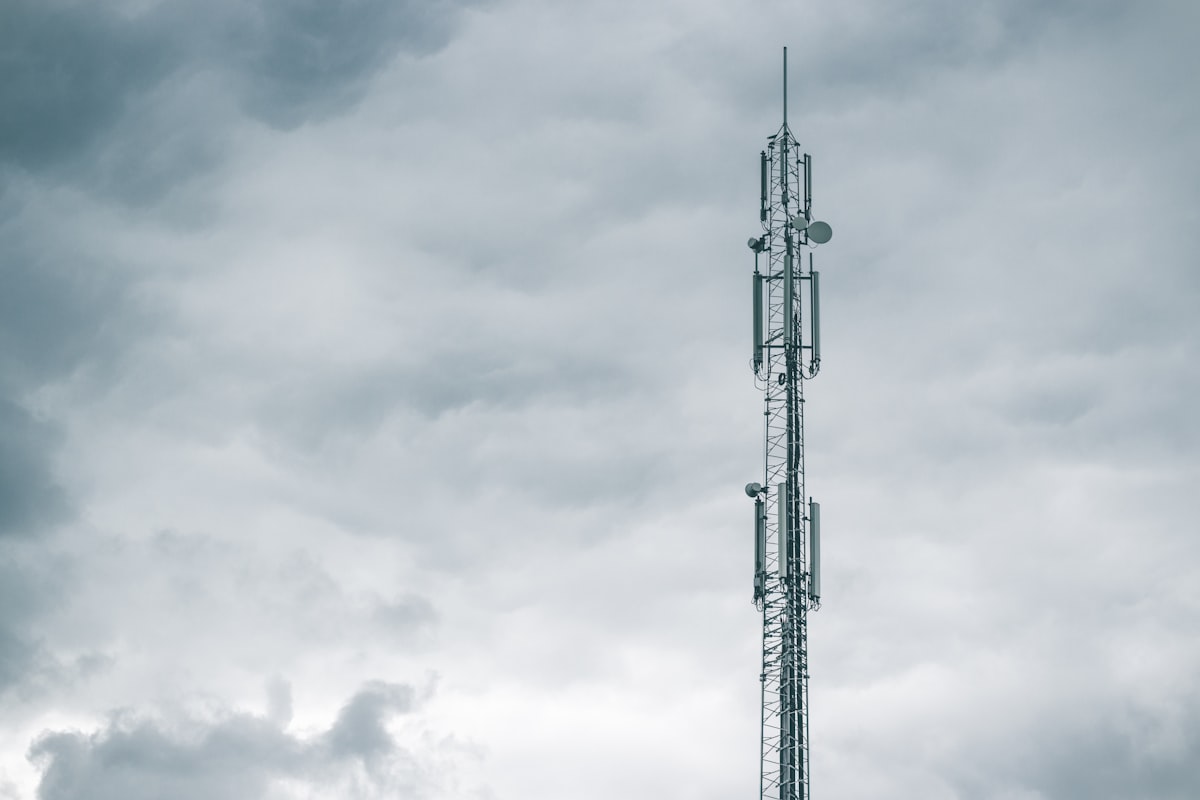
- Donor antenna — the rooftop antenna that connects to the public safety repeater outside the building.
- Battery backup — required to keep the system operational during a power loss.
When new construction or a major remodel can't pass a radio coverage survey, the local AHJ requires an ERCES installation. Once installed, it requires annual testing and periodic re-survey.
NFPA 1225 (and 1221) scope
The governing standard is NFPA 1225 — Standard for Emergency Services Communications. NFPA 1225 is the modern consolidation that merged and replaced NFPA 1221. The merge happened recently enough that many working technicians still reference 1221 in conversation, and some older study material still does too.
Both are relevant to candidates today:
- NFPA 1225 is the codebook NICET tests against now.
- NFPA 1221's structure and content live inside NFPA 1225 — but the chapter numbering changed, which trips up candidates who studied off old material.
If you bought a 1221 codebook three years ago, it's not useless — but it's not the codebook you're taking into the exam. Get the current NFPA 1225 edition that NICET's allowable references list specifies for your level. Then run IBPSC practice tests against the current chapter structure so the lookups land right.
Why it's required
The driver is the local fire code. The International Fire Code (IFC) and many state-adopted fire codes require minimum radio signal strength inside buildings:
- High-rise buildings (typically over 75 feet)
- Basements and underground spaces
- Large-floor-plate buildings (warehouses, big-box retail)
- Buildings with construction that blocks RF (Faraday-cage envelopes, low-e glass)
- Healthcare facilities and schools per local amendments
If a coverage survey shows the building doesn't meet the threshold, the AHJ requires an ERCES installation as a condition of certificate of occupancy. That requirement, multiplied across new construction nationwide, is what's driving demand for certified IBPSC technicians.
Levels I-III + Design
NICET structures IBPSC into four exams. Note that the Design tier is a separate qualification path — not "Level IV" but its own distinct credential focused on system design rather than installation/inspection.
| Level | Questions | Focus |
|---|---|---|
| Level I | 88 | Component familiarity, NFPA 1225 fundamentals, basic installation |
| Level II | 143 | Installation, inspection, testing, NFPA 1225 chapter detail |
| Level III | 126 | Advanced ITM, troubleshooting, system commissioning |
| Design | 110 | Coverage calculations, link budget, system design per NFPA 1225 |
The Design tier is for the engineer or senior designer producing the system layout, link budget calculations, and coverage maps. Levels I-III run the installation, inspection, and maintenance side.
Market angle
The math on IBPSC certification is unusually favorable:
- Smaller pool of certified techs than any of the established NICET tracks.
- Growing demand driven by code adoption across jurisdictions.
- Annual ITM requirements means recurring service revenue, not just one-off install work.
- Specialized enough that general fire alarm contractors often subcontract IBPSC work — which means independent or specialty-shop billing rates.
Candidates getting in early on this credential are positioning themselves for a market that's expanding faster than the supply of certified labor. Pairing the exam with structured NICET IBPSC practice tests is the fastest way to get from "interested" to "certified."
What to do next
IBPSC is a small NICET track today, but it's growing — and there's less free study material floating around than for the bigger disciplines. That makes targeted practice questions doubly valuable, because they fill the gap that established disciplines have already commoditized.
Our NICET IBPSC practice tests cover NFPA 1225 chapter content, ERCES/DAS/BDA fundamentals, signal strength and coverage requirements, and the testing procedures that show up across Levels I, II, III, and Design. Every question includes detailed answer explanations with codebook references — so each NICET IBPSC practice tests session doubles as a structured study session.
Want to gauge your readiness first? Take our free 10-question NICET IBPSC sample test — no commitment, just a quick calibration.
Ready to pass NICET In-Building Public Safety Communications?
Start your prep with unlimited practice tests and codebook-referenced answers.
Start Studying →