How to Become a Fire Alarm Technician: Certifications, Experience, and Career Path
A step-by-step guide to becoming a fire alarm technician — the hands-on experience, the NICET certification ladder, how to get certified, and where to find fire alarm jobs.
Contents
How to Become a Fire Alarm Technician: Certifications, Experience, and Career Path
Fire alarm technicians keep life-safety systems working in the buildings we all rely on — hospitals, schools, data centers, high-rises. It's skilled, in-demand work, and the path in rewards people who take certification seriously. This guide walks through what the job involves, how to build the experience that qualifies you, the NICET certification ladder that sets you apart, and where to find openings.
What a fire alarm technician actually does
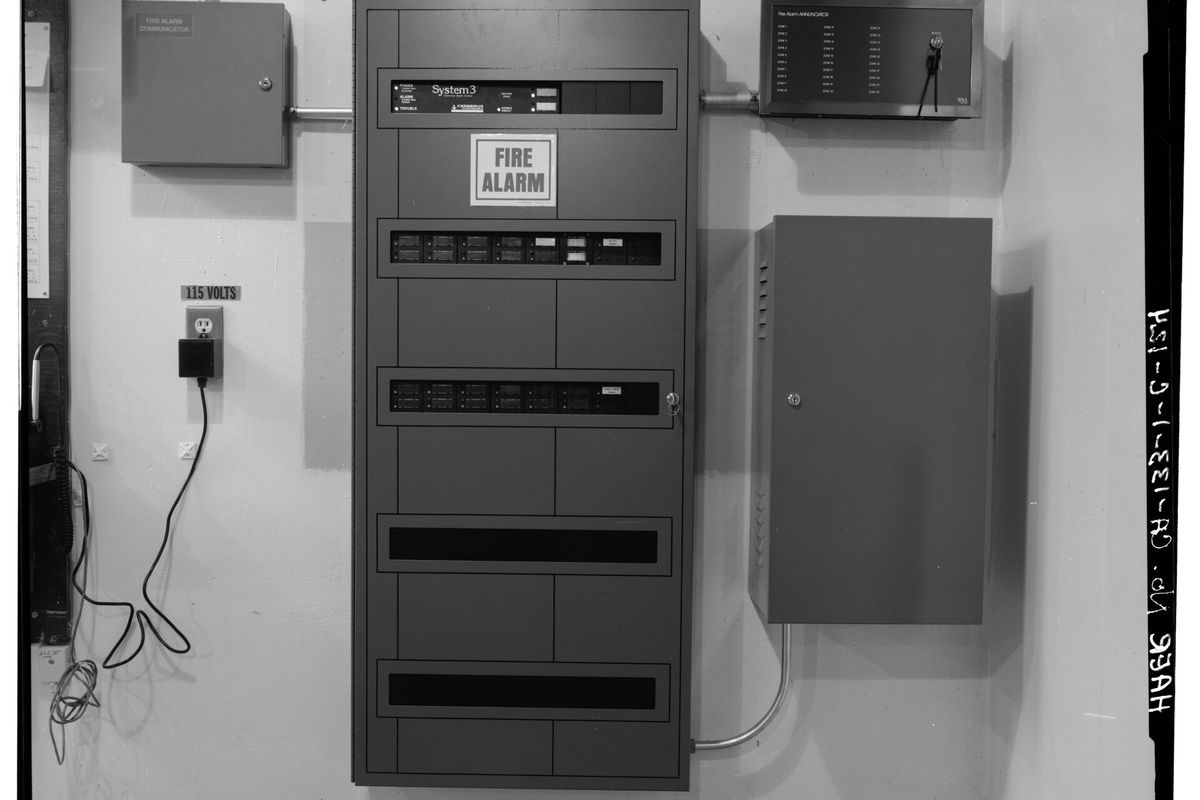
Day to day, fire alarm technicians install, inspect, test, service, and troubleshoot fire alarm and signaling systems built to NFPA 72 — the National Fire Alarm and Signaling Code. That covers detection (smoke, heat, and special detection), notification (horns, strobes, voice systems), the control panel and its circuits, and the interfaces that tie the system into elevators, HVAC, and door control. A big part of the job is documentation: proving, on a schedule, that every device works.
It's a role that blends hands-on electrical work with codebook knowledge. The techs who advance fastest are the ones who can not only pull wire and mount devices, but explain why the code requires what it requires.
The path in: experience plus certification
There's no single mandatory route, but the reliable pattern looks like this:
- Build a low-voltage or electrical foundation. Many technicians come from an electrical, security, or low-voltage background. Comfort with wiring, meters, and reading prints is a strong starting point.
- Get hands-on fire alarm experience. NICET certification is tied to documented work experience, so time in the field — inspecting, servicing, installing, or engineering fire alarm systems — is what unlocks the credential ladder.
- Climb the NICET ladder. NICET Fire Alarm Systems certification is the industry's recognized measure of competency. Level I requires a minimum of about 6 months of documented fire alarm experience; Level II requires roughly 2 years. You can sit the exam before your experience paperwork is finalized, but you won't receive the certification card until NICET has both the passing score and the verified experience.
For a deeper look at the entry levels, see NICET Level I Basics and NICET Level II Basics.
Getting NICET certified
The NICET fire alarm exams are open-book, but that cuts both ways — the deciding factor is how fast you can navigate your codebooks under time pressure. The most effective preparation is repeated practice with realistic questions that force you to look answers up the way the exam does.
That's exactly what our NICET Fire Alarm Systems practice tests are built for: hundreds of questions drawn from a randomized pool per level, each with detailed answer explanations and codebook references. If you want to calibrate where you stand before committing, take a free 10-question sample test first.
What it pays — and why certification matters
Fire alarm is a trade where credentials translate directly into leverage. Certified technicians typically command a pay premium over non-certified peers, and the gap widens at Level II and above, where project leadership becomes part of the role. Just as importantly, certification opens doors to work you otherwise couldn't touch: many high-value customers — healthcare systems, government and pharmaceutical sites, data centers — require NICET-certified technicians on their projects. For a fuller argument, read Is NICET Worth It?.
Where to find fire alarm jobs
Once you've got experience and a credential in progress, the market opens up. Browse current openings on our fire protection job board to see what employers are asking for in your area — it's also a good way to spot which certifications and experience levels come up most often in the roles you want.
Keeping your certification current
Getting certified is the start; staying certified is the ongoing part. NICET certifications run on a rolling three-year cycle and require continuing education to renew. When you reach that point, our guide to NICET recertification walks through how the CPD-point system works.
Frequently asked questions
Do I need a license to be a fire alarm technician? It depends on where you work — some states and cities require a specific fire alarm license, while others lean on NICET certification. Check your state and local requirements; many of our state licensing guides cover the specifics.
How long does it take to become a fire alarm technician? You can start entry-level work with a low-voltage or electrical foundation, but the recognized credential ladder takes time: NICET Level I requires about 6 months of documented experience and Level II about 2 years.
Is fire alarm a good career? It's skilled, in-demand life-safety work with a clear certification ladder that rewards competency with better pay and access to bigger projects. See Is NICET Worth It? for the case.
Do I have to be NICET certified? Not universally, but it's increasingly expected — and often required by major customers and some state licensing structures. It's the most portable, nationally recognized way to prove your competency.
Ready to pass NICET Fire Alarm Systems?
Start your prep with unlimited practice tests and codebook-referenced answers.
Start Studying →